
How to Tell If a Leather Bag Is High Quality: A Complete Buyer's Guide
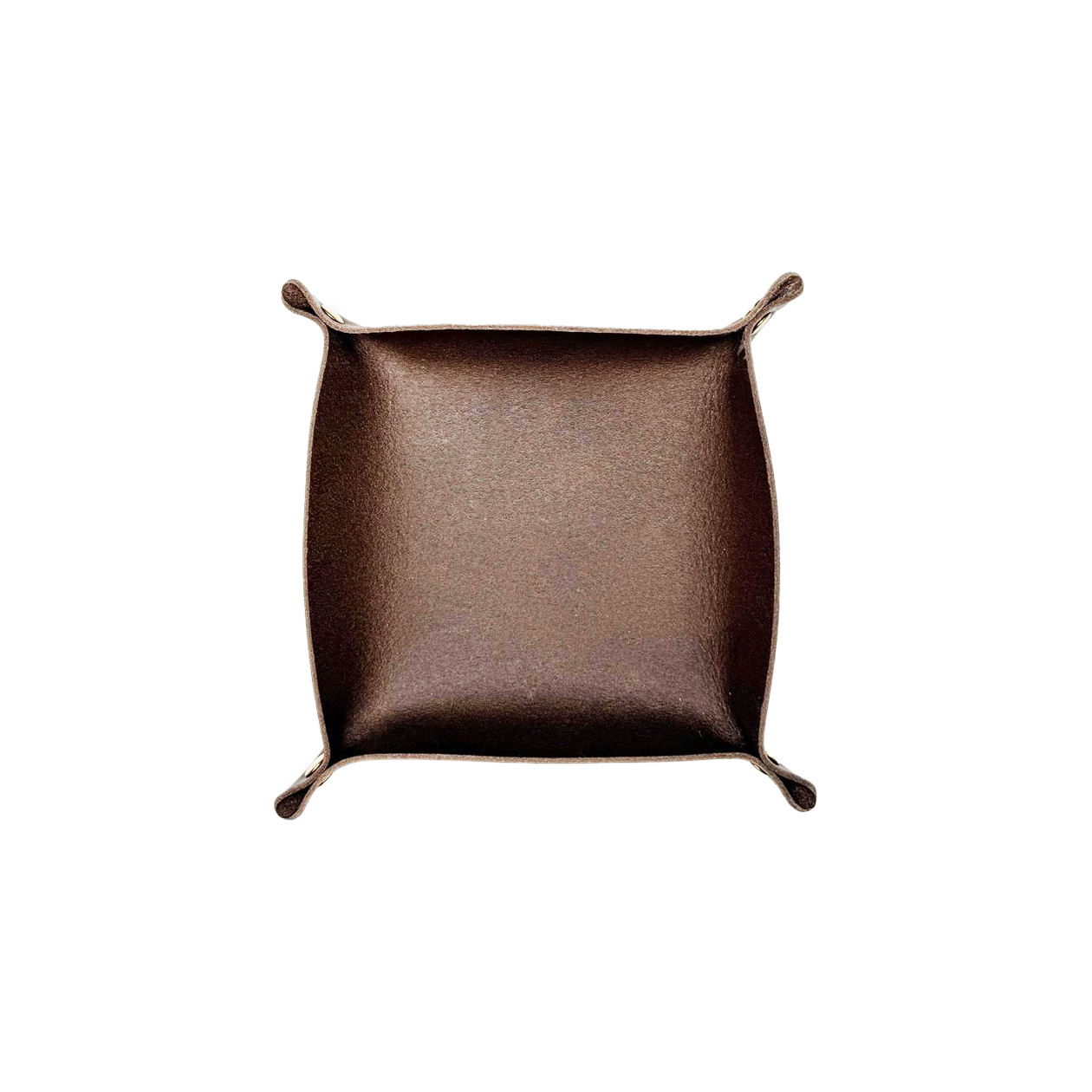
A leather bag can be one of the most versatile and enduring accessories you'll ever own.
Whether you're purchasing a work tote, travel bag, crossbody, briefcase, or everyday handbag, a quality leather bag has the potential to serve you for years—even decades.
But not all leather bags are created equal.
Two bags may appear similar in photos. Both may claim to be "genuine leather." Yet one may become a trusted companion that ages beautifully, while the other begins cracking, peeling, sagging, or falling apart within a few years.
So how can you tell the difference?
The key is learning what to look for beyond appearance.
This guide will walk you through the most important indicators of quality so you can confidently choose a leather bag that's worth the investment.
Why Quality Matters
A well-made leather bag isn't simply a fashion accessory.
It's something you carry to work, bring on trips, use during important meetings, and rely on every day.
When made properly, a quality leather bag often becomes more attractive over time.
When made poorly, it becomes a recurring expense.
Investing in quality means:
Greater durability
Better functionality
More timeless style
Fewer replacements
Better long-term value
The goal isn't necessarily to buy the most expensive bag.
The goal is to buy the best-made bag within your budget.
Sign #1: Start with the Leather Itself
The leather is the foundation of the entire product.
Even exceptional craftsmanship cannot compensate for low-quality materials.
Full Grain Leather
Full grain leather is generally considered the highest-quality leather available.
Because it retains the hide's natural grain, it offers exceptional durability and develops a beautiful patina over time.
Full grain leather often:
Ages beautifully
Develops character
Lasts for decades
Becomes softer with use
Top Grain Leather
Top grain leather is also considered premium.
It has been lightly sanded to create a smoother, more uniform appearance.
Many luxury brands use top grain leather because of its refined look and feel.
Be Careful with "Genuine Leather"
Many consumers assume genuine leather represents superior quality.
In reality, "genuine leather" often refers to a lower grade of leather.
While not necessarily poor quality, it typically lacks the longevity and character of full grain and top grain leather.
If a brand doesn't specify the leather type, it's worth asking questions.
Sign #2: Examine the Stitching
One of the easiest ways to evaluate craftsmanship is by looking closely at the stitching.
Quality stitching should be:
Straight
Evenly spaced
Consistent throughout
Free from loose threads
The stitching is what holds the bag together.
Weak stitching often leads to:
Torn seams
Broken handles
Structural failure
Luxury-quality leather bags often feature reinforced stitching at stress points where straps, handles, and closures experience the greatest pressure.
Sign #3: Evaluate the Hardware
Hardware is frequently overlooked, yet it plays a critical role in both durability and user experience.
Hardware includes:
Zippers
Buckles
Clasps
Rings
Snaps
Magnetic closures
Quality hardware should feel substantial rather than lightweight or flimsy.
Ask yourself:
Does the zipper move smoothly?
Do clasps close securely?
Do metal components feel sturdy?
Low-quality hardware is often the first component to fail on a bag.
Sign #4: Inspect the Edges
Many consumers never examine the edges of a leather bag.
Experienced artisans do.
Finished edges often reveal the overall quality of construction.
Quality leather bags typically feature:
Burnished Edges
Burnishing involves smoothing and sealing raw leather edges.
The result is a polished, professional finish.
Painted Edges
Luxury leather goods often use carefully applied edge paint that protects the leather and creates a refined appearance.
Poorly finished edges may:
Fray
Crack
Separate
Wear prematurely
Small details often reveal big differences in craftsmanship.
Sign #5: Check the Interior
A quality bag should be as thoughtfully designed inside as it is outside.
Examine:
Lining quality
Pocket construction
Interior stitching
Reinforcement points
Organization features
A durable lining helps protect the bag and contributes significantly to longevity.
The interior should feel intentional rather than like an afterthought.
Sign #6: Assess the Structure
A quality leather bag should maintain its shape while remaining functional and comfortable.
Poorly constructed bags often:
Collapse easily
Lose shape quickly
Sag prematurely
Well-constructed bags balance structure and flexibility.
The design should support the intended use of the bag.
A work tote, for example, should comfortably support the weight of a laptop, notebook, charger, and daily essentials without excessive distortion.
Sign #7: Pay Attention to the Smell
Many people associate the smell of leather with quality.
While smell alone isn't a reliable indicator, it can provide useful clues.
High-quality leather typically has a rich, natural scent.
Overly chemical or plastic-like odors may indicate heavy synthetic coatings or lower-grade materials.
Smell should never be the only factor, but it can contribute to your overall assessment.
Sign #8: Consider How the Bag Will Age
One of the most important questions to ask is:
How will this bag look five years from now?
High-quality leather often develops:
Softness
Character
Patina
Rich color variation
Lower-quality leather often develops:
Cracking
Peeling
Separation
Excessive wear
Quality leather should become more attractive through use rather than deteriorate.
A Quality Leather Bag Worth Considering
Choosing a leather bag is an investment in something you'll use repeatedly.
The right piece should not only look beautiful when you first receive it. It should continue to serve you, develop character, and maintain its appeal as the years go by.
Pierre Leather creates premium leather accessories with a focus on quality materials, thoughtful craftsmanship, timeless design, and lasting functionality.
From everyday bags to professional and travel essentials, the collection is designed for people who value leather goods that can become trusted companions rather than short-term purchases.
Looking for a leather bag built around quality and timeless style?
Explore the Pierre Leather Collection →
Sign #9: Evaluate the Design
Timeless design is often an indicator of long-term value.
Trendy bags can be fun.
Timeless bags tend to be used longer.
When evaluating a leather bag, consider:
Is the silhouette classic?
Will it work across seasons?
Can it transition between casual and professional settings?
Does it reflect quality rather than trends?
The most valuable bags are often the ones you'll still want to carry years from now.
Questions to Ask Before Buying a Leather Bag
Before making a purchase, ask:
What type of leather is used?
Look for transparency regarding:
Full grain leather
Top grain leather
Vegetable-tanned leather
How is the bag constructed?
Quality brands are usually proud to discuss their materials and craftsmanship.
Is the hardware durable?
Hardware quality often predicts long-term performance.
Is the bag handmade or mass-produced?
Handcrafted products frequently receive more attention to detail and quality control.
Red Flags When Shopping Online
Online shopping can make it difficult to assess quality.
Watch for these warning signs:
Vague Product Descriptions
If the listing simply says "genuine leather" without additional details, investigate further.
No Close-Up Photos
Quality brands typically showcase stitching, leather texture, hardware, and construction details.
Extremely Low Prices
Producing premium leather goods requires quality materials and skilled labor.
Prices that seem unusually low often reflect compromises in materials or construction.
Generic Marketing Claims
Be cautious of phrases such as:
Luxury-inspired
Premium quality
Designer style
Without specific information about materials and craftsmanship, these claims offer little insight.
Why Handmade Leather Bags Often Stand Out
Many of the highest-quality leather bags are handmade.
Handcrafted production often allows for:
Better quality control
Greater attention to detail
Stronger construction
More intentional finishing
The artisan can inspect and refine each stage of the process rather than relying solely on automated production methods.
This often results in products that not only look better but last longer.
Quality Is About Value, Not Price
Expensive doesn't automatically mean high quality.
Likewise, affordable doesn't automatically mean poor quality.
The goal is to evaluate the complete picture:
Leather quality
Craftsmanship
Hardware
Construction
Design
Longevity
The best purchase is often the product that provides years of dependable use rather than requiring frequent replacement.
Frequently Asked Questions
What is the best leather for a bag?
Full grain leather is generally considered the most durable and highest-quality option. Top grain leather is also an excellent choice.
How long should a quality leather bag last?
With proper care, a well-made leather bag can last ten to twenty years or more.
Is handmade leather better?
Not always, but handmade leather goods often benefit from greater attention to detail and craftsmanship.
Why are quality leather bags expensive?
Premium leather, durable hardware, skilled labor, and thoughtful construction all contribute to the cost.
What should I avoid when buying a leather bag?
Avoid vague material descriptions, poor stitching, flimsy hardware, and products that provide little information about construction quality.
Final Thoughts
A quality leather bag isn't defined by a logo.
It's defined by the materials, craftsmanship, and care that go into its creation.
When evaluating a leather bag, look beyond marketing language and focus on the details that truly matter: leather quality, stitching, hardware, construction, and longevity.
The best leather bags are not simply purchased.
They become trusted companions through years of work, travel, milestones, and everyday life.
At Pierre Leather, we believe exceptional craftsmanship should create products that become more beautiful with age and more meaningful with every journey.
Because quality is not about keeping up with trends.
It's about investing in something built to last.