
What Is Vegetable-Tanned Leather? The Complete Guide to One of the World's Most Timeless Materials
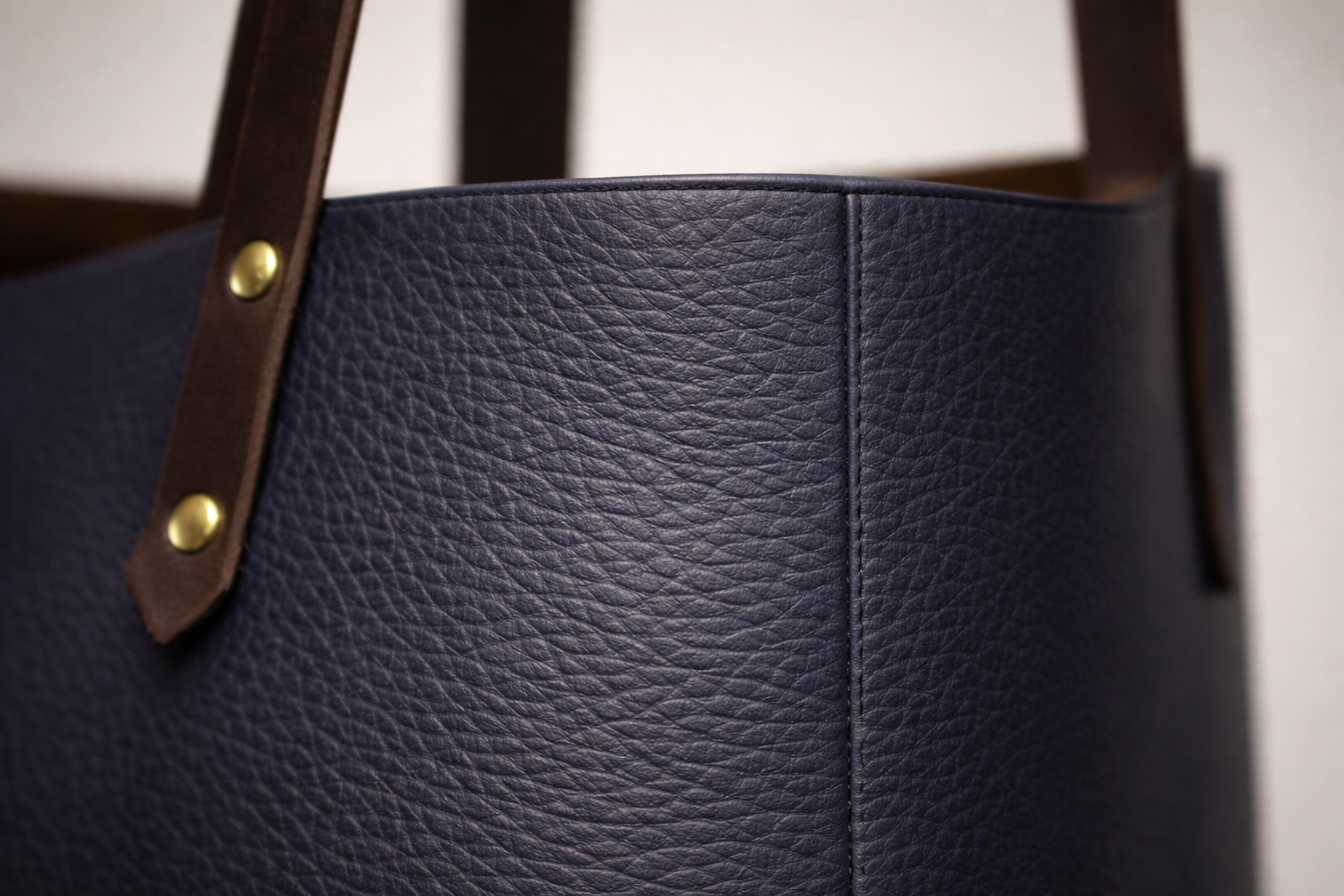
What Is Vegetable-Tanned Leather?
If you've spent any time researching high-quality leather goods, you've likely come across the term vegetable-tanned leather.
It's often mentioned in discussions about craftsmanship, luxury leather products, sustainability, and heirloom-quality accessories.
But what exactly does it mean?
Is vegetable-tanned leather actually made from vegetables?
Why is it often more expensive?
And why do so many artisans and leather enthusiasts consider it one of the finest types of leather available?
The answer lies in a centuries-old process that prioritizes craftsmanship, durability, and natural beauty over speed and mass production.
In this guide, we'll explore what vegetable-tanned leather is, how it's made, how it compares to chrome-tanned leather, and why it remains one of the most respected materials in the leather world.
What Is Vegetable-Tanned Leather?
Vegetable-tanned leather is leather that has been processed using natural tannins derived from plants.
These tannins are commonly extracted from:
Tree bark
Leaves
Roots
Fruits
Wood
Natural plant materials
The tanning process transforms raw animal hides into durable leather that resists decomposition and can be used for products such as:
Bags
Wallets
Belts
Passport holders
Journal covers
Briefcases
Leather accessories
Despite the name, vegetable-tanned leather does not contain vegetables in the way food does.
The term refers to the plant-based tannins used during the tanning process.
Why Leather Must Be Tanned
Before understanding vegetable tanning, it's helpful to understand why tanning exists at all.
Raw animal hide is not naturally stable.
Without treatment, it would:
Decay
Become brittle
Attract bacteria
Deteriorate quickly
Tanning stabilizes the hide and converts it into a durable material that can withstand years of use.
For thousands of years, cultures around the world have developed methods for preserving and strengthening animal hides.
Vegetable tanning remains one of the oldest and most traditional methods still used today.
How Vegetable Tanning Works
Vegetable tanning is a slow and deliberate process.
The hides are immersed in solutions containing natural tannins.
Over time, the tannins penetrate the fibers of the hide and permanently transform the material.
Depending on the tannery and process, vegetable tanning can take:
Several weeks
Several months
Occasionally longer
This extended timeline is one reason vegetable-tanned leather tends to cost more than mass-produced alternatives.
The process prioritizes quality rather than speed.
A Tradition That Dates Back Thousands of Years
Vegetable tanning is not a modern innovation.
Archaeological evidence suggests versions of the process have been used for thousands of years.
Long before industrial manufacturing, artisans relied on natural tannins from local plants and trees to create leather goods.
Many of the techniques used today are based on methods that have been refined over centuries.
In a world increasingly dominated by fast production, vegetable tanning remains deeply connected to traditional craftsmanship.
What Makes Vegetable-Tanned Leather Special?
There are several characteristics that distinguish vegetable-tanned leather from other types of leather.
1. It Develops a Beautiful Patina
Perhaps the most celebrated feature of vegetable-tanned leather is its ability to develop a rich patina.
Patina refers to the deepening color, subtle sheen, and unique character that emerge through use and age.
As the leather is exposed to:
Sunlight
Air
Natural oils from your skin
Everyday handling
It gradually transforms.
No two pieces develop patina in exactly the same way.
This means every item becomes uniquely personal over time.
2. It Ages Beautifully
Many modern materials deteriorate with age.
Vegetable-tanned leather often becomes more attractive.
Owners frequently find that their favorite leather products look better after years of use than they did when new.
The leather develops depth, warmth, and personality that cannot be replicated artificially.
3. It Has a Natural Appearance
Vegetable-tanned leather often showcases the natural characteristics of the hide.
Rather than masking imperfections, it embraces authenticity.
You may notice:
Grain variation
Natural markings
Subtle texture differences
These features contribute to the uniqueness of each piece.
4. It Is Durable
When properly cared for, vegetable-tanned leather can last for decades.
Its dense fiber structure and natural tanning process create a material capable of withstanding years of daily use.
Many heirloom-quality leather products are made from vegetable-tanned leather for this reason.
Vegetable-Tanned Leather vs Chrome-Tanned Leather
Most leather produced today is chrome tanned.
Understanding the differences can help consumers make more informed purchasing decisions.
Vegetable-Tanned Leather
Characteristics:
Uses natural tannins
Takes weeks or months to produce
Develops rich patina
Ages beautifully
Often firmer initially
Traditional craftsmanship
Chrome-Tanned Leather
Characteristics:
Uses chromium salts
Produced much faster
Softer from the beginning
Greater color consistency
Less dramatic patina development
Dominates mass production
Neither option is inherently "bad."
Each serves different purposes.
However, vegetable-tanned leather is often preferred by artisans and consumers seeking longevity, character, and craftsmanship.
Why Is Vegetable-Tanned Leather More Expensive?
One of the most common questions consumers ask is:
Why does vegetable-tanned leather cost more?
Several factors contribute to the price.
Slower Production
The tanning process takes significantly longer.
Skilled Craftsmanship
Working with vegetable-tanned leather often requires specialized knowledge and experience.
Premium Materials
Many makers pair vegetable-tanned leather with high-quality hardware and construction methods.
Smaller Production Runs
Vegetable-tanned leather is often used by artisan makers and smaller manufacturers rather than mass-market producers.
These factors increase production costs but often result in superior quality and longevity.
How Vegetable-Tanned Leather Changes Over Time
One of the most rewarding aspects of ownership is watching the leather evolve.
A natural tan leather bag may begin as a light honey color and gradually deepen into rich shades of caramel, chestnut, or amber.
The leather becomes:
Softer
Richer in color
More distinctive
More personal
Every scratch, journey, and experience contributes to its story.
This transformation is one reason many leather enthusiasts become deeply attached to their leather goods.
Common Products Made from Vegetable-Tanned Leather
Vegetable-tanned leather is commonly used for:
Leather Bags
Its durability and aging characteristics make it ideal for premium bags and totes.
Wallets
Wallets develop beautiful patina through daily use.
Belts
Vegetable-tanned belts often become more comfortable and attractive over time.
Passport Holders
Frequent handling encourages rich character development.
Journal Covers
Many writers and creatives appreciate how vegetable-tanned leather reflects years of use and travel.
How to Care for Vegetable-Tanned Leather
One of the advantages of vegetable-tanned leather is that maintenance is relatively straightforward.
Keep It Clean
Use a soft cloth to remove dust and dirt.
Condition Occasionally
Periodic conditioning helps maintain flexibility and moisture.
Avoid Excess Water
Leather should never be saturated.
Embrace Patina
Don't expect vegetable-tanned leather to remain unchanged.
Its transformation is part of its beauty.
Experience the Beauty of Vegetable-Tanned Leather
True leather craftsmanship is not only about creating a product that looks beautiful on day one.
It is about creating something that becomes more meaningful with every year of use.
Vegetable-tanned leather represents this philosophy — a material chosen for its natural character, durability, and ability to develop a unique story over time.
At Pierre Leather, we create premium leather accessories designed for those who appreciate timeless craftsmanship, authentic materials, and products made to last.
From elegant bags and wallets to everyday leather essentials, each piece is crafted to become a trusted companion through your daily journeys.
Discover leather accessories designed to age beautifully and tell your story.
Explore the Pierre Leather Collection →
Frequently Asked Questions
Is vegetable-tanned leather real leather?
Yes. Vegetable-tanned leather is genuine leather that has been processed using natural plant-based tannins.
Does vegetable-tanned leather last longer?
When properly cared for, vegetable-tanned leather can last for decades and often develops beautiful character over time.
Why does vegetable-tanned leather darken?
Exposure to sunlight, air, and natural oils gradually deepens the color and contributes to patina development.
Is vegetable-tanned leather waterproof?
No leather is completely waterproof. Vegetable-tanned leather should be protected from excessive moisture.
Why do artisans prefer vegetable-tanned leather?
Many artisans value its natural appearance, durability, ability to develop patina, and connection to traditional craftsmanship.
Final Thoughts
In a world increasingly focused on speed and convenience, vegetable-tanned leather represents a different philosophy.
It values patience over shortcuts.
Craftsmanship over mass production.
Longevity over disposability.
Its beauty doesn't come from remaining unchanged.
It comes from evolving.
Every year of use adds character. Every journey leaves a mark. Every experience contributes to the story the leather tells.
At Pierre Leather, we believe the best products are not those that look exactly the same forever.
They are the ones that become more beautiful, more personal, and more meaningful with time.
Because true luxury isn't about perfection.
It's about craftsmanship that grows richer with every chapter of your story.