
How Leather Changes Over Time: Why Quality Leather Gets Better with Age
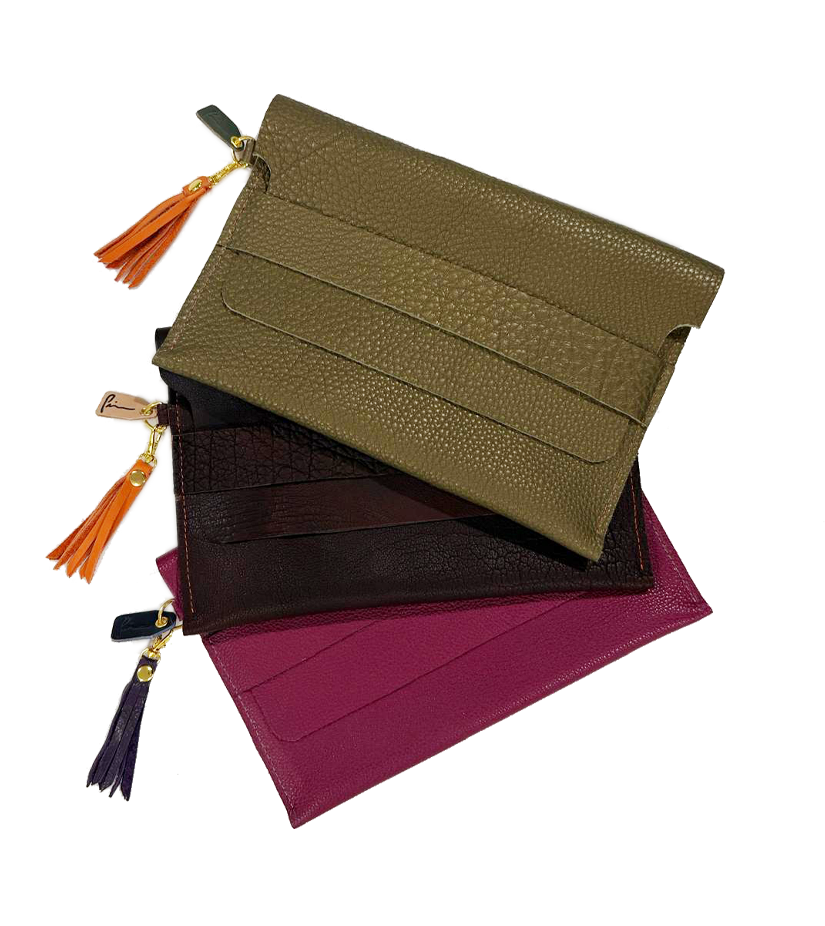
One of the most remarkable qualities of leather is that it tells a story.
Unlike many modern materials that wear out and lose their appeal, quality leather often becomes more beautiful with age. The bag you carry today won't look exactly the same five years from now—and for leather enthusiasts, that's part of the appeal.
Every scratch, journey, meeting, vacation, and everyday moment contributes to the evolution of the leather.
It becomes uniquely yours.
This is one reason leather has remained prized for centuries. It is not a material that simply survives time. It is a material that responds to time.
In this guide, we'll explore how leather changes over the years, what causes those changes, and why many people consider aging leather one of the most beautiful aspects of ownership.
Leather Is a Living Material
Although leather is no longer living tissue, it remains a natural material with characteristics that continue to evolve.
Unlike synthetic materials that are manufactured to remain static, leather responds to:
Light
Air
Moisture
Oils from your skin
Friction
Temperature changes
Daily use
As a result, leather develops a unique appearance over time.
No two pieces age exactly the same way.
Even two identical bags carried by different people will eventually look different because their experiences are different.
The First Year: Leather Begins to Relax
When a leather bag is brand new, it often feels structured and firm.
During the first several months of use, the leather begins adapting to how it is carried and handled.
You may notice:
Increased softness
Greater flexibility
Improved comfort
Slight darkening in frequently handled areas
This early transformation is often subtle but noticeable.
The leather begins to feel less like a product and more like a personal possession.
The Development of Patina
One of the most celebrated aspects of leather aging is the development of patina.
Patina refers to the rich sheen, depth of color, and character that emerge through years of use.
Many people mistakenly assume patina is damage.
In reality, it is often considered one of the most desirable qualities of premium leather.
What Creates Patina?
Patina develops through a combination of:
Sunlight exposure
Natural oils from your hands
Friction
Environmental conditions
Daily handling
Over time, these interactions create a surface that becomes richer and more visually complex.
The leather begins to reflect its owner's lifestyle and experiences.
Color Changes Over Time
Most leather darkens as it ages.
Lighter-colored leather often experiences the most dramatic transformation.
For example:
Natural Tan Leather
Natural vegetable-tanned leather can begin as a light honey color and gradually deepen into rich caramel or chestnut tones.
Brown Leather
Brown leather often develops greater depth and warmth.
Black Leather
Black leather may become softer and develop a subtle sheen while maintaining its overall color.
These changes contribute to the sense that leather becomes more beautiful rather than less attractive with age.
Leather Becomes Softer
As leather is handled and flexed over time, it typically becomes softer.
The fibers relax and adapt to regular use.
This is particularly noticeable in:
Tote bags
Wallets
Passport holders
Briefcases
Travel accessories
Many owners find that their favorite leather items become increasingly comfortable over the years.
The material begins to feel familiar and personalized.
Scratches Become Part of the Story
One of the most common concerns among new leather owners is scratching.
The truth is that minor scratches are normal.
In many cases, they contribute to the character of the leather.
Unlike synthetic materials that often show wear as damage, quality leather frequently incorporates small marks into its evolving appearance.
Some scratches soften naturally over time.
Others remain as reminders of experiences and adventures.
For many leather enthusiasts, these marks are not imperfections.
They are evidence of a life well lived.
Full Grain Leather Ages the Best
Not all leather develops patina equally.
Full grain leather is widely regarded as the gold standard for aging.
Because it retains the hide's natural surface, it can develop rich character while maintaining exceptional durability.
Over time, full grain leather often becomes:
Softer
Richer in color
More distinctive
More beautiful
This is one reason full grain leather is often chosen for premium bags and accessories.
Top Grain Leather Ages Differently
Top grain leather also ages well, though the process is somewhat different.
Because the surface has been lightly sanded and finished, patina development is generally less dramatic.
Top grain leather often offers:
Greater consistency
Smoother appearance
More stain resistance
While it may not develop the same level of character as full grain leather, it can still age beautifully.
Why Cheap Leather Ages Poorly
One of the easiest ways to understand quality differences is to compare how various materials age.
Quality Leather
Often becomes:
Softer
Richer
More attractive
More personal
Low-Quality Leather
Often becomes:
Dry
Cracked
Peeling
Brittle
Synthetic Materials
Often become:
Scuffed
Torn
Discolored
Worn-looking
Quality leather is unique because aging often enhances its appeal rather than diminishing it.
The Role of Sunlight
Sunlight plays a significant role in leather aging.
Moderate exposure contributes to patina development and color evolution.
However, excessive exposure can cause:
Dryness
Fading
Premature wear
Like many natural materials, leather benefits from balance.
A little sunlight helps create character.
Too much can create damage.
How Travel Shapes Leather
Travel often accelerates the development of character.
Leather travel accessories experience:
Frequent handling
Different climates
Exposure to sunlight
Movement and friction
Over years of travel, a leather passport holder, tote, or weekender bag becomes a physical record of adventures and experiences.
This is one reason many travellers become deeply attached to their leather goods.
The item becomes associated with memories.
A Leather Piece That Grows With You
The most meaningful leather goods are not the ones that remain untouched.
They are the ones that become part of your everyday experiences — the bag carried into important meetings, the wallet that travels with you, or the accessory that collects memories along the way.
Pierre Leather creates premium leather accessories designed around lasting craftsmanship, natural character, and timeless functionality.
Each piece is made to age beautifully, developing its own unique story through years of use.
Whether you're investing in your first quality leather accessory or adding to a collection you value, choosing the right piece means choosing something that can become more personal with time.
Discover leather accessories designed to become part of your story.
Explore the Piedrre Leather Collection →
Why Leather Becomes More Personal
Unlike mass-produced synthetic materials, leather evolves alongside its owner.
The way you carry it, use it, store it, and travel with it shapes its appearance.
The result is something uniquely yours.
Years later, the leather often reflects:
Habits
Experiences
Journeys
Milestones
This connection is difficult to replicate with disposable products.
How to Help Leather Age Beautifully
The best way to encourage beautiful aging is surprisingly simple.
Use It
Leather develops character through use.
Don't save your favorite bag only for special occasions.
Condition It
Periodic conditioning helps maintain flexibility and moisture.
Store It Properly
Use dust bags and avoid excessive heat or humidity.
Embrace Imperfection
Leather's beauty comes from its individuality.
Small variations and marks are part of the story.
Frequently Asked Questions
Does all leather develop patina?
No. Full grain leather develops the richest patina, while heavily coated or synthetic materials may show little character development.
Why does leather get darker?
Exposure to sunlight, oils from your skin, and environmental factors contribute to gradual darkening.
Is patina a sign of damage?
No. Patina is generally considered a desirable characteristic of quality leather.
How long does it take for leather to develop patina?
Many people begin noticing changes within months, while significant patina often develops over several years.
Why do leather enthusiasts love aged leather?
Because it becomes more unique, personal, and visually interesting over time.
Final Thoughts
In a world filled with disposable products, leather offers something increasingly rare: the opportunity to own something that becomes more meaningful with age.
Every journey, every meeting, every vacation, and every ordinary day leaves its mark.
Over time, leather transforms from a product into a companion.
It develops character, depth, and beauty that cannot be manufactured or replicated.
At Pierre Leather, we believe the best leather goods are not the ones that remain unchanged.
They are the ones that grow more beautiful with every year of use.
Because true craftsmanship isn't about resisting time.
It's about becoming better because of it.